


Press Brake Lubrication Points are one of the most common topics I’m asked about in daily production, especially by operators trying to keep their machines accurate and reliable. The answer is not simply “any moving part,” but a set of specific locations that directly influence ram movement, bending accuracy, component wear, and long-term machine stability. In this article, I’ll share real workshop experience to explain which lubrication points matter most on a press brake, why they are critical, and how proper lubrication habits help prevent accuracy issues and unexpected downtime.
Why Press Brake Lubrication Points Matter for Accuracy and Lifespan

Proper lubrication is not just about reducing friction. The key Press Brake Lubrication Points ensure smooth ram travel, consistent force distribution, and stable positioning during every bend. When these points are neglected, operators often see symptoms such as uneven bending angles, abnormal noise, increased vibration, or premature wear of expensive components. From my experience, many “accuracy problems” are actually lubrication problems in disguise.
Key Lubrication Points on a Press Brake You Should Never Ignore
Ram Guide Rails and Sliding Surfaces
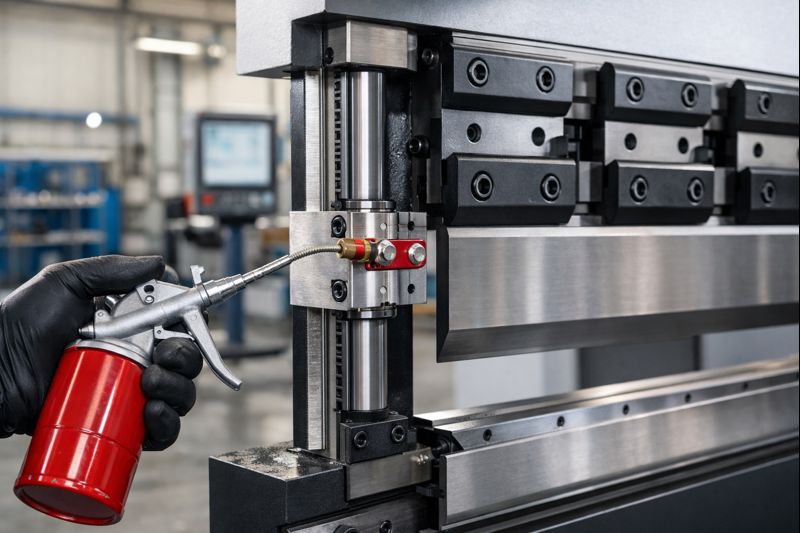
The ram guide rails are among the most critical Press Brake Lubrication Points. They guide the vertical movement of the ram and directly affect parallelism between the upper and lower beams. If these rails are dry or contaminated, the ram may move unevenly, causing angle variation across the bending length. I always recommend cleaning the guide rails first and applying the correct lubricant specified by the manufacturer, rather than using generic grease.
Backgauge Linear Guides and Ball Screws
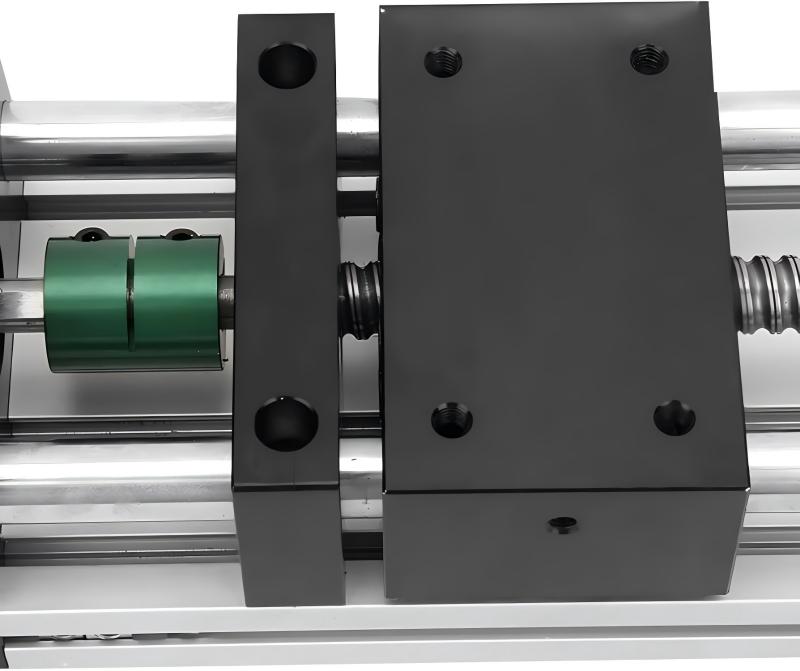
Backgauge accuracy depends heavily on lubrication. The linear guides and ball screws are precision components, and even minor friction can lead to positioning errors. Proper lubrication at these Press Brake Lubrication Points ensures smooth, repeatable backgauge movement and reduces motor load. In high-cycle production, these components should be inspected and lubricated more frequently.
Ram Drive Components and Linkages
On hydraulic press brakes, the ram drive system includes mechanical linkages and connection points that require regular lubrication. These Press Brake Lubrication Points help maintain synchronized movement and reduce mechanical stress. When these areas are neglected, operators may notice inconsistent bending depth or abnormal mechanical noise during operation.
Crowning System Moving Parts
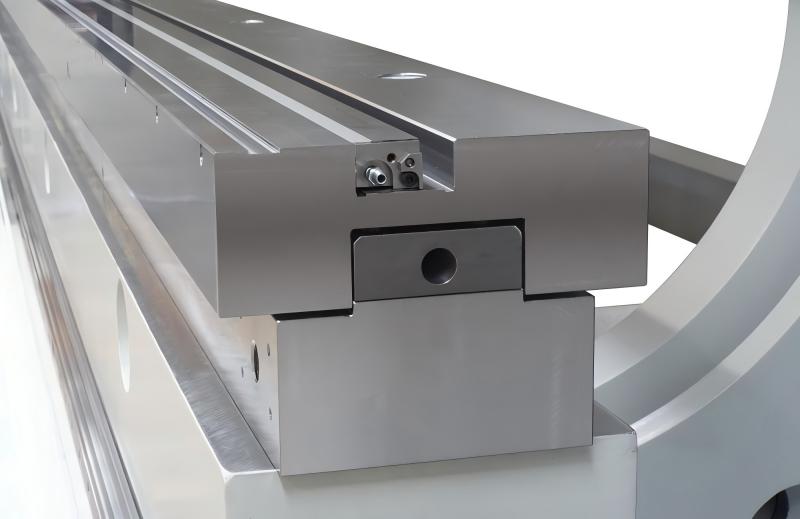
Manual or CNC crowning systems contain sliding blocks, wedges, or mechanical adjustment elements. These are often overlooked Press Brake Lubrication Points, but they play a major role in maintaining straight bends along the entire workpiece. Lack of lubrication here can result in uneven crowning compensation and visible bending defects.
Tool Clamping and Quick-Change Mechanisms
Tool clamping systems may not seem like obvious lubrication points, but they are critical for safe and stable tooling installation. Light lubrication on clamping surfaces and moving parts helps prevent seizure, uneven clamping force, and accelerated wear. This also makes daily tool changes faster and safer for operators.
How to Lubricate Press Brake Lubrication Points Correctly
Step 1: Clean Before Lubricating
Before applying any lubricant, I always clean the lubrication points thoroughly. Dirt, metal dust, and old oil can turn fresh lubricant into an abrasive paste. This step alone can significantly extend component life.
Step 2: Use the Right Lubricant for Each Point
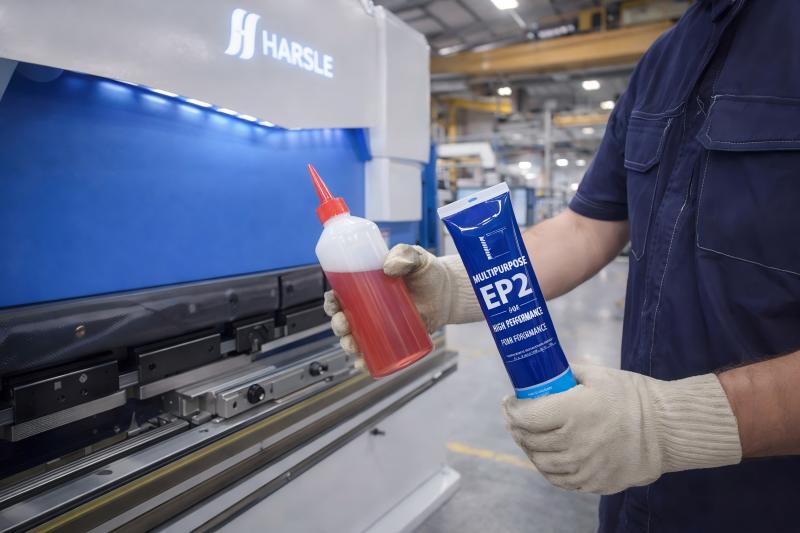
Not all Press Brake Lubrication Points require the same lubricant. Guide rails, ball screws, and crowning systems often need specific oils or greases with defined viscosity. Using the wrong product can cause excessive resistance or attract contaminants.
Step 3: Follow a Consistent Lubrication Schedule
Lubrication should be part of a structured press brake maintenance routine. High-duty machines may require daily or weekly lubrication, while lighter-use machines can follow longer intervals. Consistency is far more important than occasional over-lubrication.
Common Press Brake Lubrication Mistakes I See on Shop Floors
One common mistake is lubricating only when a problem appears. By then, wear has often already started. Another issue is over-lubrication, which can attract dust and debris. Finally, many operators forget hidden Press Brake Lubrication Points, such as crowning mechanisms or internal guide surfaces, simply because they are not immediately visible.
FAQs
How often should Press Brake Lubrication Points be checked?
In most production environments, critical lubrication points should be visually checked daily and lubricated weekly. High-speed or heavy-duty applications may require more frequent attention.
Can poor lubrication really affect bending accuracy?
Yes. Uneven lubrication can cause irregular ram movement, backgauge positioning errors, and inconsistent crowning performance, all of which directly affect bending accuracy.
Should I use grease or oil for press brake lubrication?
It depends on the specific Press Brake Lubrication Points. Guide rails and ball screws often require specific oils or greases recommended by the manufacturer. Always follow technical guidelines rather than guessing.
What signs indicate insufficient lubrication on a press brake?
Common signs include abnormal noise, increased vibration, uneven bending angles, slower backgauge movement, and visible wear on guide surfaces.
Conclusion
Understanding and maintaining the key Press Brake Lubrication Points is one of the simplest yet most effective ways to protect bending accuracy, reduce wear, and extend machine lifespan. From guide rails and backgauge systems to crowning mechanisms and clamping devices, every lubrication point plays a role in stable production. By cleaning properly, using the correct lubricants, and following a consistent maintenance schedule, you can avoid many common press brake problems before they start. If you need more detailed guidance or model-specific recommendations, feel free to contact the HARSLE technical team or explore our other press brake maintenance documentation.


