


When I hear unusual sounds coming from a machine during bending, I immediately know something isn’t right. Press Brake Hydraulic Noise is one of the most common issues operators report, and it should never be ignored. Abnormal noise often signals air in the system, oil contamination, worn components, or pressure instability. In this guide, I’ll walk you through the real causes of hydraulic noise in a CNC press brake and explain step by step how to diagnose and fix it safely and effectively before it turns into a serious breakdown.
Understanding the Causes of Press Brake Hydraulic Noise
Before fixing the problem, I always identify the type of sound. Is it a knocking sound, high-pitched whining, vibration noise, or intermittent buzzing? Different sounds usually indicate different hydraulic issues.
Air in the Hydraulic System Causing Cavitation
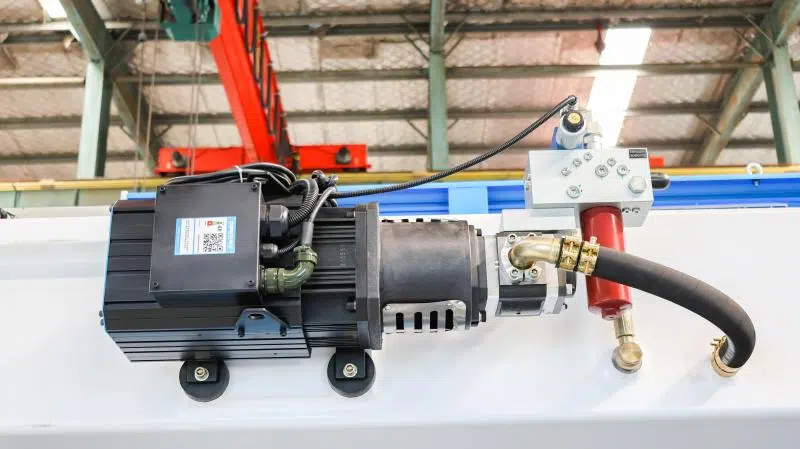
Cavitation is one of the most frequent causes of Press Brake Hydraulic Noise. When air enters the hydraulic circuit, it creates bubbles that collapse under pressure, producing sharp knocking or rattling sounds.
This usually happens due to:
- Low hydraulic oil level
- Loose suction line connections
- Damaged seals on the pump inlet
If I suspect cavitation, I first check the oil level and inspect all suction pipes for leaks. Tightening connections and refilling oil to the recommended level often eliminates the noise quickly.
Contaminated Hydraulic Oil in CNC Press Brakes
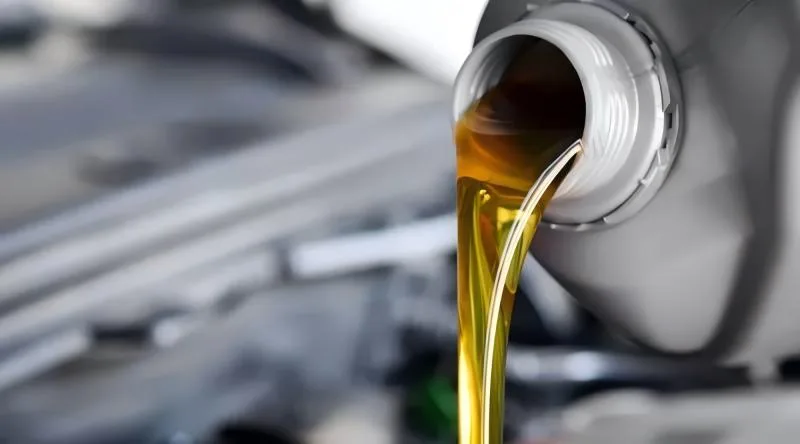
Dirty oil affects pump performance and causes friction noise. Metal particles or degraded oil reduce lubrication efficiency and increase internal wear.
To fix this, I:
- Inspect the oil color and smell.
- Replace clogged filters.
- Change hydraulic oil if contamination is confirmed.
Regular oil analysis is one of the best preventive methods to avoid Press Brake Hydraulic Noise in the future.
Step-by-Step Troubleshooting for Hydraulic Pump Noise
When operators ask me how to fix hydraulic pump noise in a press brake, I follow a structured approach.
Step 1: Check Hydraulic Oil Level and Temperature
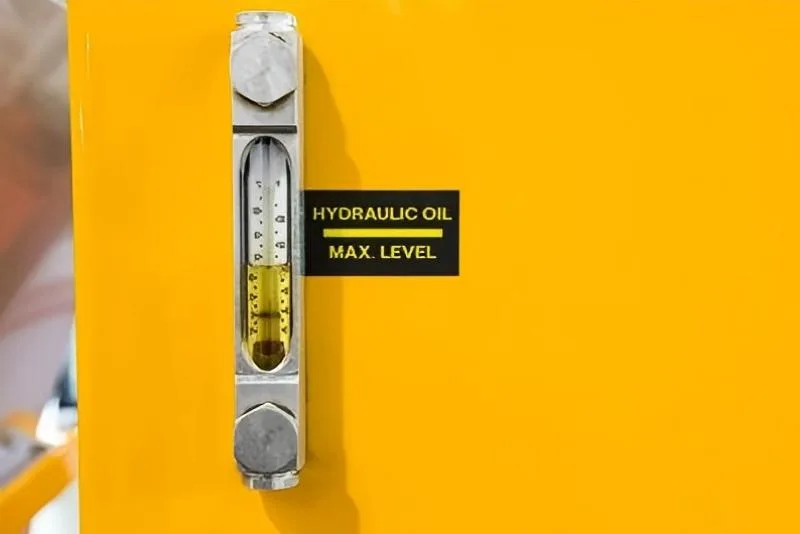
Low oil level allows air to enter the system. High oil temperature reduces viscosity, which can also create abnormal sound.
I always:
- Verify oil level through the sight glass.
- Ensure oil temperature stays within manufacturer limits.
- Check cooling systems if overheating occurs.
If temperature is too high, I clean the oil cooler and inspect cooling fans.
Step 2: Inspect the Hydraulic Pump and Coupling
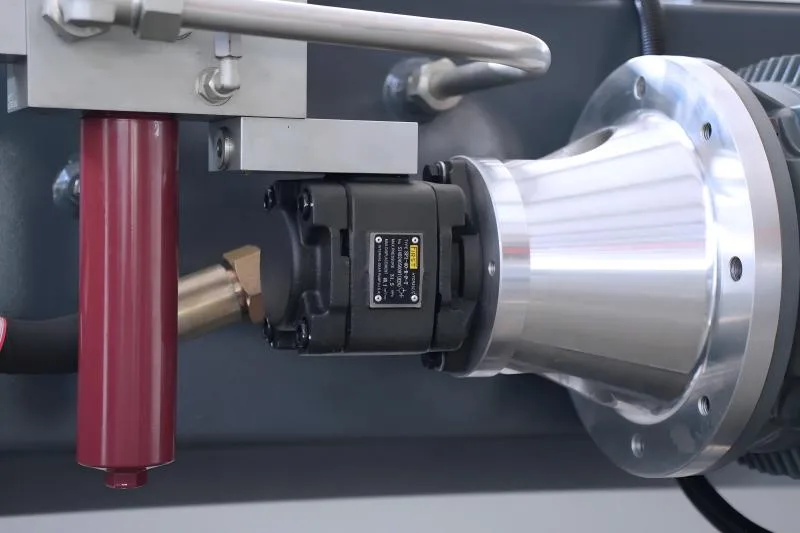
A worn hydraulic pump can produce continuous whining or vibration noise.
I examine:
- Pump shaft alignment
- Motor coupling condition
- Mounting bolts tightness
Loose coupling or misalignment between motor and pump is a common reason for Press Brake Hydraulic Noise. Proper realignment often solves the issue.
Step 3: Examine Relief Valves and Pressure Settings
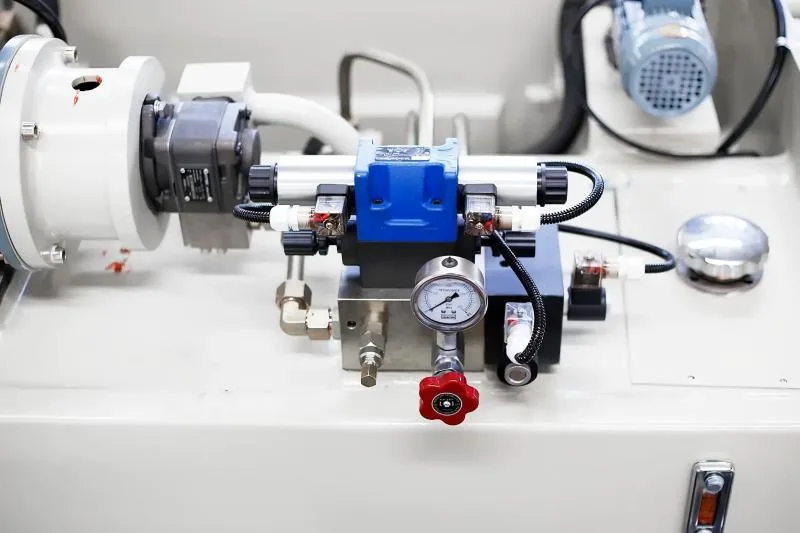
Improper pressure adjustment can cause excessive load noise.
I check:
- Relief valve settings
- Pressure gauge readings
- Sudden pressure fluctuations
If pressure is unstable, I recalibrate according to machine specifications. Stable pressure reduces both noise and internal stress.
Mechanical Vibration and Structural Noise in Hydraulic Systems
Not all hydraulic noise comes directly from oil or the pump. Sometimes vibration amplifies sound.
Loose Mounting Bolts and Frame Resonance
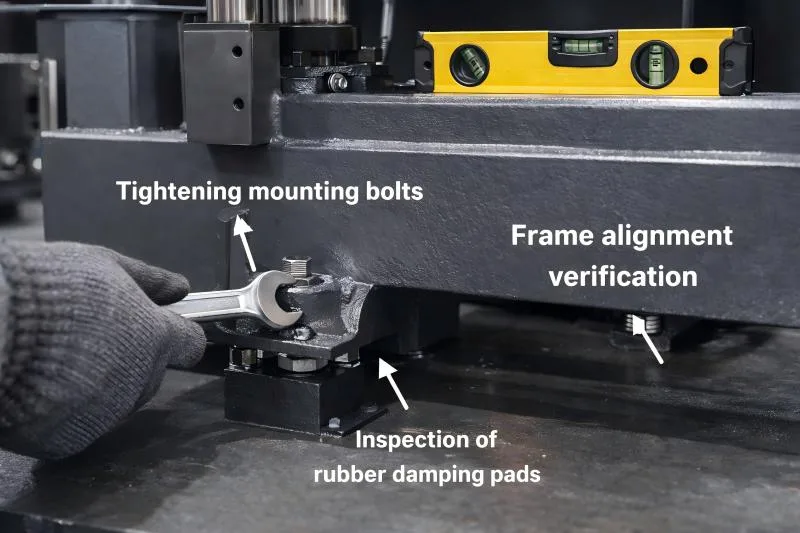
Over time, machine vibration can loosen bolts around the pump base or hydraulic tank.
I perform:
- Tightening checks on mounting bolts
- Inspection of rubber damping pads
- Frame alignment verification
Stabilizing the mounting structure significantly reduces vibration-related Press Brake Hydraulic Noise.
Worn Bearings in Hydraulic Motor
If the sound resembles grinding or metallic scraping, I suspect motor bearing wear.
In that case, I:
- Listen carefully with a diagnostic tool
- Check motor temperature
- Replace bearings if necessary
Ignoring bearing noise can lead to pump failure.
Preventive Maintenance to Avoid Future Hydraulic Noise
From my experience, preventing hydraulic issues is far easier than repairing them.
Routine Hydraulic System Inspection
I recommend:
- Weekly oil level checks
- Monthly filter inspection
- Scheduled oil replacement based on operating hours
Preventive maintenance reduces the chance of sudden Press Brake Hydraulic Noise and extends system lifespan.
Proper Installation and Calibration of CNC Press Brake
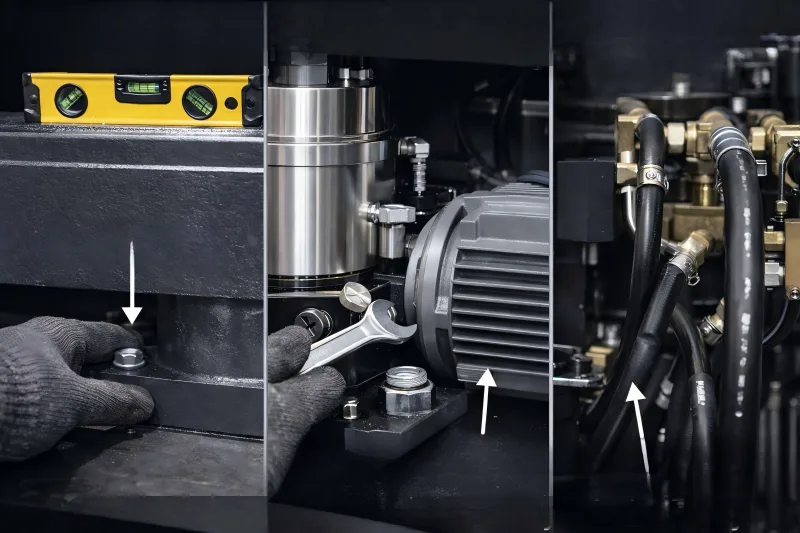
Incorrect installation can cause long-term hydraulic stress.
I always ensure:
- Machine is level
- Pump alignment is correct
- Hydraulic hoses are properly routed
Good installation minimizes vibration and hydraulic instability.
FAQs
Is Press Brake Hydraulic Noise dangerous?
Yes. While some noise may seem minor, it often indicates cavitation, contamination, or mechanical wear. Ignoring it can lead to pump damage or pressure failure.
How do I know if hydraulic oil is causing the noise?
Check oil clarity, smell, and temperature. If oil appears milky, dark, or smells burnt, it should be replaced immediately.
Can air in the hydraulic system cause knocking sounds?
Absolutely. Air bubbles collapsing under pressure create cavitation noise, which is one of the most common hydraulic issues.
How often should I inspect my hydraulic system to prevent noise?
I recommend basic checks weekly and full inspection every few hundred operating hours, depending on workload.
Conclusion
Press Brake Hydraulic Noise is not something I ever ignore. It is usually an early warning sign of cavitation, oil contamination, pump misalignment, or mechanical wear. By checking oil levels, inspecting pumps and valves, tightening structural components, and following a structured preventive maintenance plan, I can eliminate most hydraulic noise issues before they cause downtime.
If you’re experiencing persistent hydraulic noise in your CNC press brake and need professional guidance, I encourage you to contact our technical team. Proper diagnosis and timely action will protect your machine, improve bending stability, and extend the lifespan of your hydraulic system.


