


When I encounter a Press Brake Bending Length Error in daily production, I know it can quickly lead to rejected parts, wasted materials, and lost efficiency. If you’re dealing with inconsistent bending lengths or parts that don’t match your drawings, you’re not alone. In this guide, I’ll walk you through the real causes behind press brake bending length errors and show you practical, step-by-step solutions to fix them. Whether the issue comes from the backgauge, tooling, or machine calibration, you’ll find clear methods here to restore accuracy and improve your bending results.
What Causes Press Brake Bending Length Error?
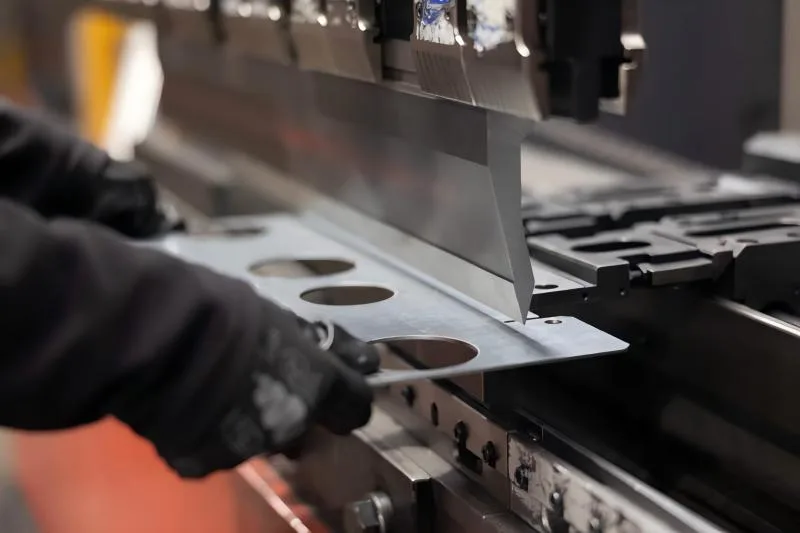
Before fixing the issue, I always start by identifying the root cause. A Press Brake Bending Length Error usually comes from multiple factors rather than a single fault.
Backgauge Positioning Inaccuracy
The most common reason is incorrect backgauge positioning. If the backgauge does not move precisely to the programmed position, the bending length will be off.
This can be caused by:
- Loose ball screws or worn linear guides
- Servo motor calibration errors
- Dirt or debris on guide rails
Incorrect Tooling Setup
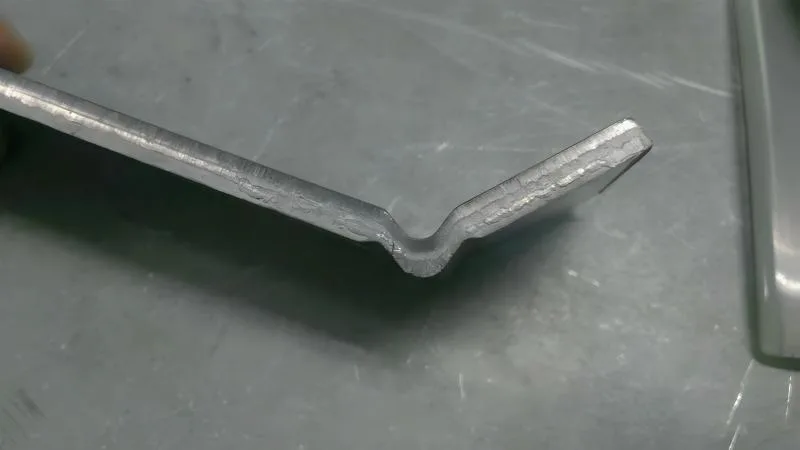
Improper installation of punches and dies directly affects bending length. Even small misalignments can cause deviations.
Common issues include:
- Tool not centered
- Different tool heights
- Worn tooling edges
Material and Thickness Variations
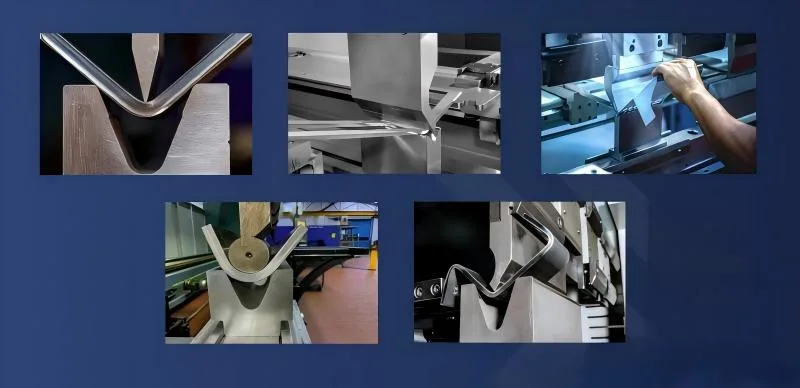
Different material properties affect bending behavior. If thickness or hardness varies, the final length may not match expectations.
How to Fix Press Brake Bending Length Error Step by Step
Once I identify the cause, I follow a structured approach to correct the error efficiently.
Step 1: Check and Calibrate the Backgauge System
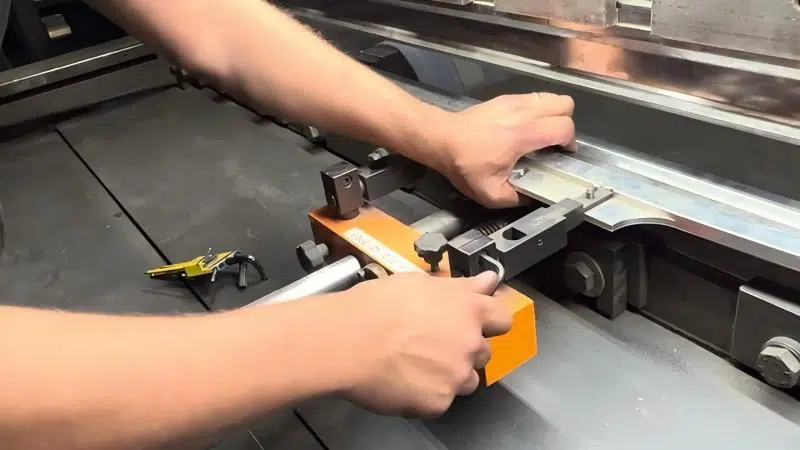
I always begin with the backgauge because it controls positioning accuracy.
- Clean the guide rails and remove debris
- Check for looseness in ball screws
- Recalibrate the backgauge using the CNC controller
- Verify positioning using a ruler or digital measurement tool
This step alone often resolves most Press Brake Bending Length Error issues.
Step 2: Inspect and Align the Tooling
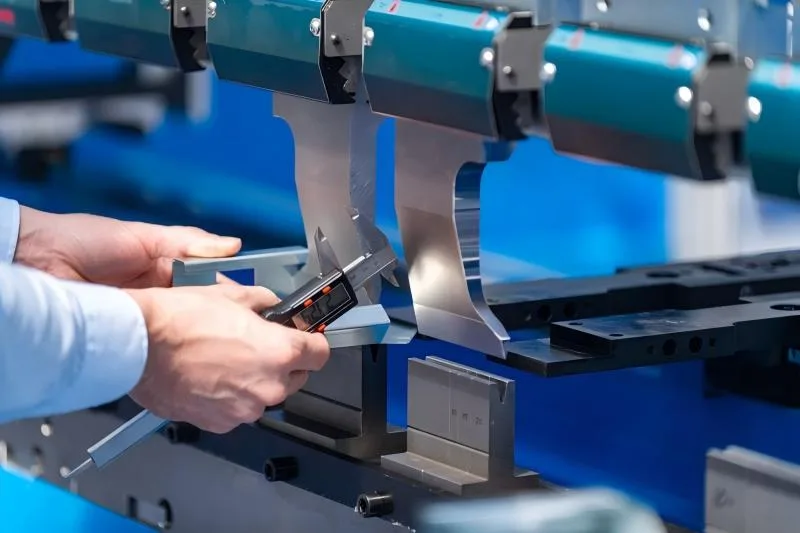
Next, I check the tooling setup carefully.
- Ensure the punch and die are properly seated
- Confirm center alignment across the machine
- Replace worn or damaged tools
- Use the same tooling height for consistency
Accurate tooling alignment ensures consistent bending length across all parts.
Step 3: Verify Machine Level and Parallelism
If the machine is not level, bending accuracy will suffer.
- Check machine leveling using a precision level
- Inspect ram parallelism
- Adjust crowning system if necessary
This step is especially important for long workpieces.
Step 4: Adjust CNC Parameters for Accurate Bending Length
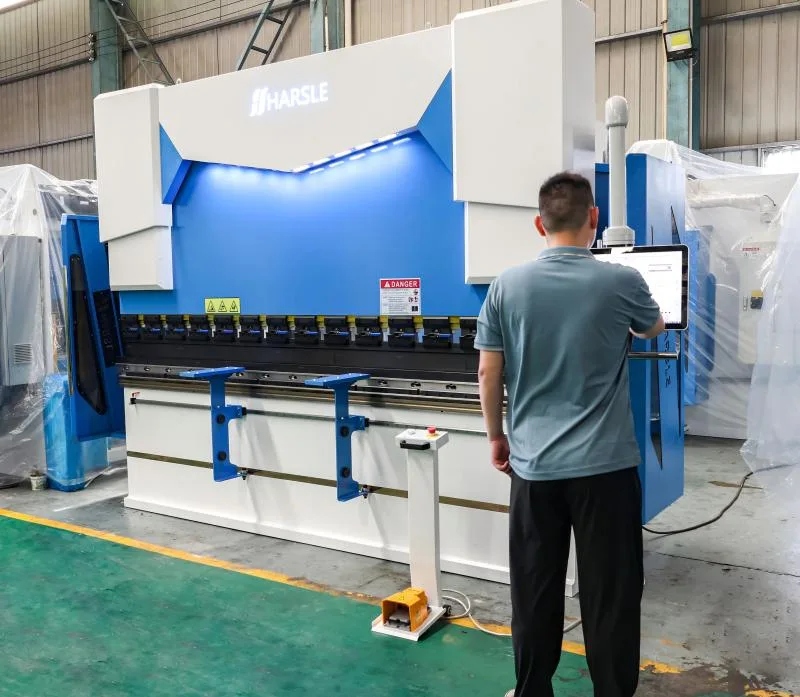
Sometimes the issue is not mechanical but program-related.
- Check backgauge offset values
- Adjust bending compensation settings
- Verify bend allowance and K-factor
Fine-tuning CNC parameters helps eliminate systematic errors.
Step 5: Test with Sample Workpieces
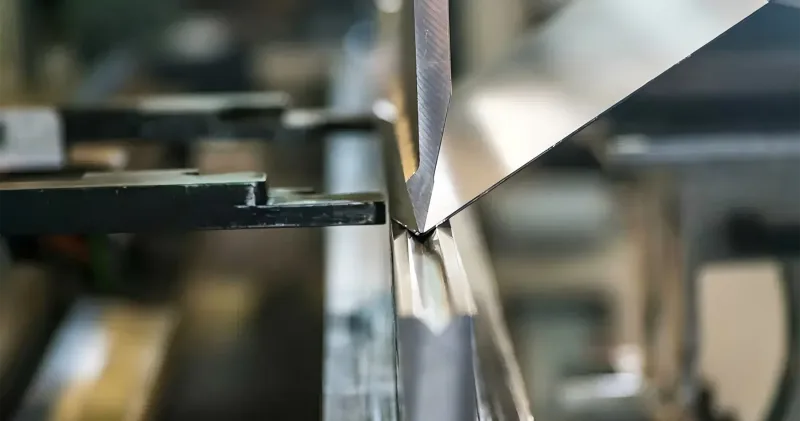
After adjustments, I always run test bends.
- Use the same material and thickness
- Measure bending length carefully
- Compare results with design specifications
Repeat adjustments until the results are stable and accurate.
How to Prevent Press Brake Bending Length Error in Daily Operation
Fixing errors is important, but preventing them saves more time.
Regular Backgauge Maintenance
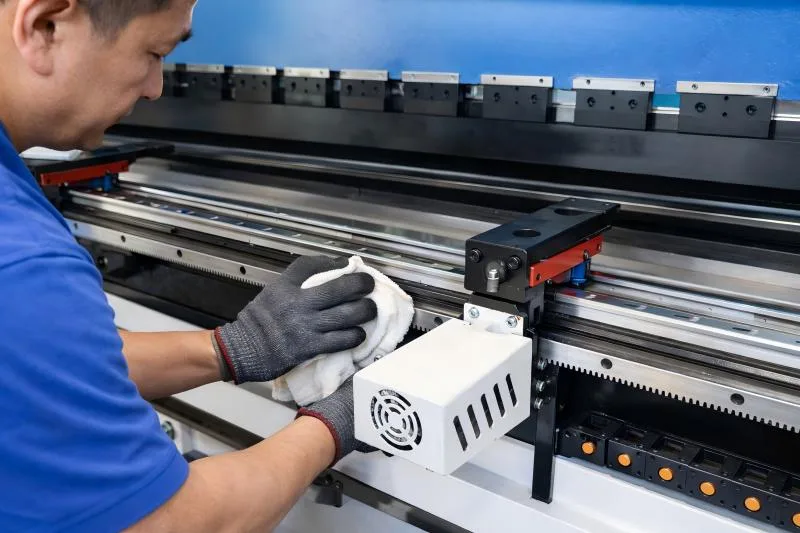
- Lubricate ball screws and linear guides
- Clean rails daily
- Check positioning accuracy weekly
Standardized Tooling Management
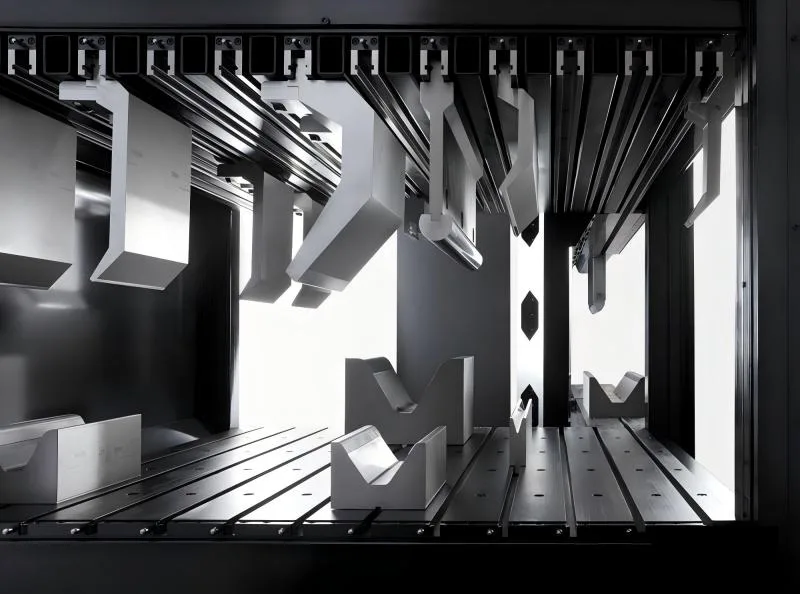
- Store tools properly
- Inspect tools before use
- Avoid mixing different tooling sets
Consistent Material Control
- Use uniform material batches
- Verify thickness before bending
- Avoid mixing different materials in one job
These practices significantly reduce the chance of Press Brake Bending Length Error.
FAQs
What is the main cause of Press Brake Bending Length Error?
In my experience, backgauge positioning inaccuracy is the most common cause, followed by tooling misalignment.
How do I calibrate my press brake backgauge accurately?
I recommend using a precision ruler or digital measuring tool to compare actual position with programmed values, then adjusting offsets in the CNC system.
Can tooling affect bending length accuracy?
Yes, improper tooling setup or worn tools can directly cause bending length deviations.
How often should I check for Press Brake Bending Length Error?
I suggest checking accuracy at the start of each production batch and after any tooling change.
Conclusion
Fixing a Press Brake Bending Length Error requires a systematic approach, from checking the backgauge and tooling to adjusting CNC parameters and verifying machine alignment. In my daily work, I’ve found that most errors can be resolved quickly with proper inspection and calibration.
By following these steps and maintaining your machine regularly, you can significantly improve bending accuracy, reduce material waste, and increase production efficiency. If you need professional support or want to optimize your press brake performance further, feel free to reach out to our team for expert guidance.


